
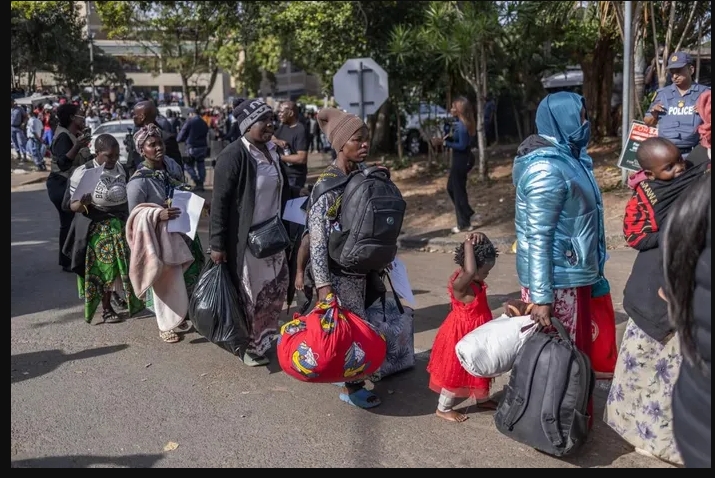
South Africa’s agricultural sector is facing a sharp labour crunch after more than 160,000 migrants left the country in a matter of weeks, fleeing deadly anti-foreigner protests and tighter immigration enforcement. Farms, factories and even households are now struggling to fill the gap.
Zimbabwean farmworker Aaron Majatamhe described watching citrus orchards in one of South Africa’s top fruit-growing regions go unpicked, with fruit ripening on the branch and no one left to harvest it. He said the same crunch is hitting the vineyards just as grape-cutting season begins.
Fringe anti-foreigner groups had pushed June 30 as an informal deadline for undocumented migrants to leave, and the exodus that followed — tallied at over 160,000 by AFP using figures from African governments repatriating citizens — hit hardest in farming, domestic work and construction. Zimbabwe accounted for the largest share of returnees.
Sugar and cane hit hard
KwaZulu-Natal’s sugar belt was among the first to feel the impact. One farmer on the north coast said he lost as much as 80% of his cane-cutting crew almost overnight, warning that supply problems could threaten whether local mills stay open. Near Mid-Illovo, a grower said most of his cutters had come from Lesotho, and there simply weren’t enough local workers willing to take on the physically demanding job.
That explanation is contested. With unemployment above 33% — higher still once discouraged jobseekers are counted — labour unions argue plenty of South Africans are willing to work, but employers prefer migrant labour because it’s cheaper and easier to underpay or overwork without pushback. A union organiser with the Commercial, Stevedoring, Agricultural and Allied Workers Union said foreign workers were routinely made to work seven days a week without proper breaks, often for less than minimum wage.
Skills gap beyond the fields
The shortage isn’t just about headcount — it’s about lost experience. A clothing factory manager in Durban’s Chatsworth industrial area said losing skilled machinists from Malawi and Mozambique has made it hard to meet production targets, and training local replacements will take time.
The government has leaned into a “locals first” stance while acknowledging some sectors depend on foreign labour. It recently expanded its Trusted Employer Scheme, fast-tracking visas for companies that mostly hire South Africans and invest in skills training. Industry groups, including the South African Farmers Development Association, are pushing for a regulated seasonal-worker programme — similar to the U.S. model — for labour from Southern African Development Community countries, arguing agriculture can’t replace migrant labour overnight.
For many who’ve already left, though, the policy debate matters less than personal safety. At least four foreigners have been killed, according to police data. One Zimbabwean who’d lived in Robertson since 2014 said he left after police carried out door-to-door raids targeting undocumented residents. Majatamhe, the farmworker, said he’s staying for now simply because he can’t afford to leave.
Source: AFP, via IOL